
Compound or Polish After Wet Sanding — Industry Guidance and Professional Recommendations
Wet sanding is a vital step in modern paint correction and surface restoration. When performed correctly, it levels out clear coat imperfections, removes orange peel, and prepares a smooth substrate for subsequent polishing. The common question among professionals and serious enthusiasts is whether to use a heavy cutting compound or a finer polish after wet sanding — in short: should you use a compound or polish after wet sanding? This article explains the industry best practices, the technical considerations that determine the correct choice, and practical step-by-step guidance so you achieve consistent, high-quality finishes.
Understanding the Purpose: Compound vs. Polish
A cutting compound contains aggressive abrasives designed to remove material quickly and correct deeper defects such as sanding marks, moderate scratches, or oxidation. A polish, on the other hand, uses finer abrasives and conditioners intended to refine the surface, reduce micro-marring, enhance gloss, and improve clarity.
After wet sanding, the clear coat almost always has microscopic sanding marks and haze. The depth and visibility of those marks depend on the grit used and the condition of the underlying paint. Therefore, the decision to use a compound or a polish after wet sanding should be driven by two core factors:
1. Grit used and defect severity. Coarser wet sanding (e.g., P800–P1500) typically leaves marks that require a cutting compound to remove efficiently. Finer wet sanding (e.g., P2000–P3000) often leaves only fine haze that a finishing polish can remove without aggressive abrasion.
2. Desired finish and time constraints. If speed and removal power are priorities (for example, in a busy collision repair shop correcting moderate sanding marks), a compound step followed by a refining polish is the reliable workflow. If ultimate gloss and minimal material removal are the goals (such as in high-value show cars), opt for the lightest abrasive sequence necessary and finish with a high-quality polish.
Recommended Workflow After Wet Sanding
Below is an industry-standard sequence you can adopt and adapt based on paint hardness and observed sanding marks:
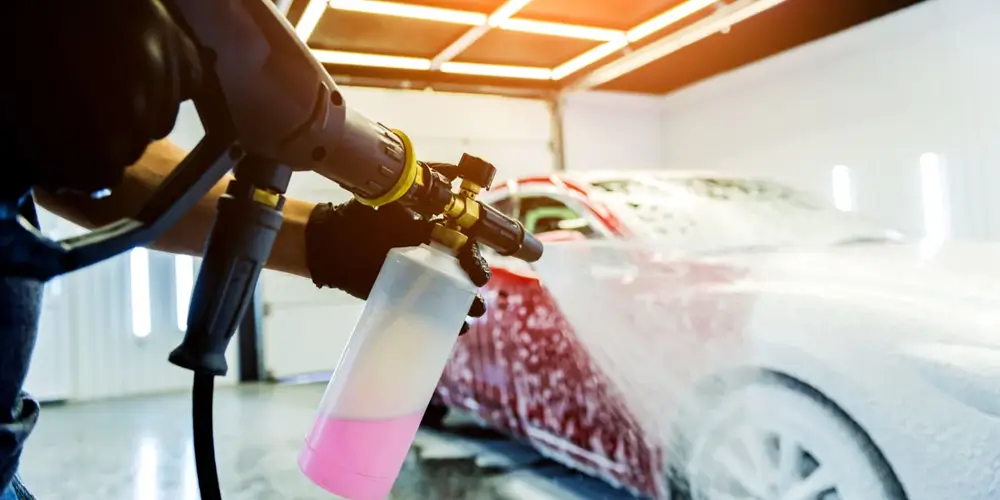
1. Clean and inspect the panel. Remove sanding residue with a water rinse and a pH-neutral soap. Dry and inspect under good lighting to assess sanding marks. For critical inspection, wipe with 70% isopropyl alcohol to remove oils.
2. Test spot. Always test a small area with the compound or polish you plan to use, matching pad type and speed to your machine. This prevents over-cutting and helps you confirm the right product choice.
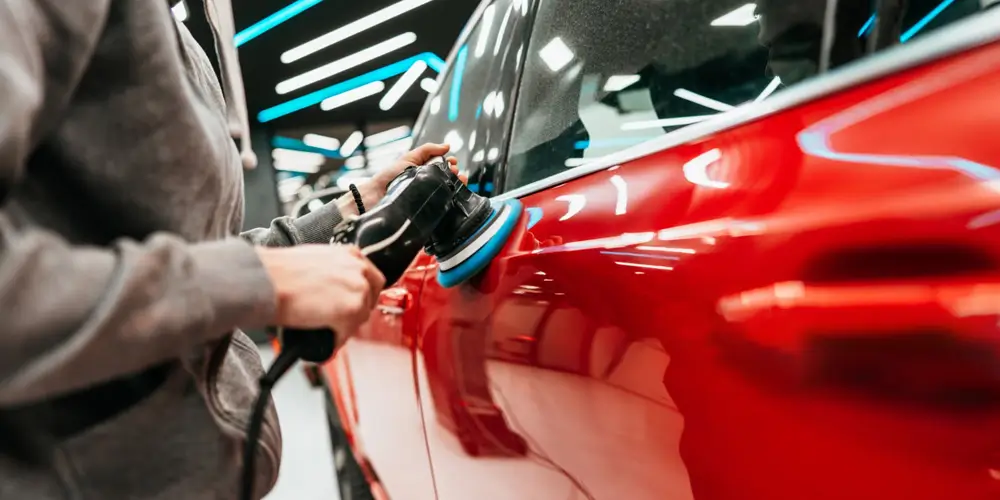
3. Compound step (if required). Use a medium-to-heavy cutting compound with a cutting pad and a dual-action or rotary polisher. Work in defined 2’×2’ sections, moderate pressure, and appropriate RPMs. Wipe residue and re-inspect. If sanding lines persist, repeat with the compound; if they are gone, proceed to refinement.
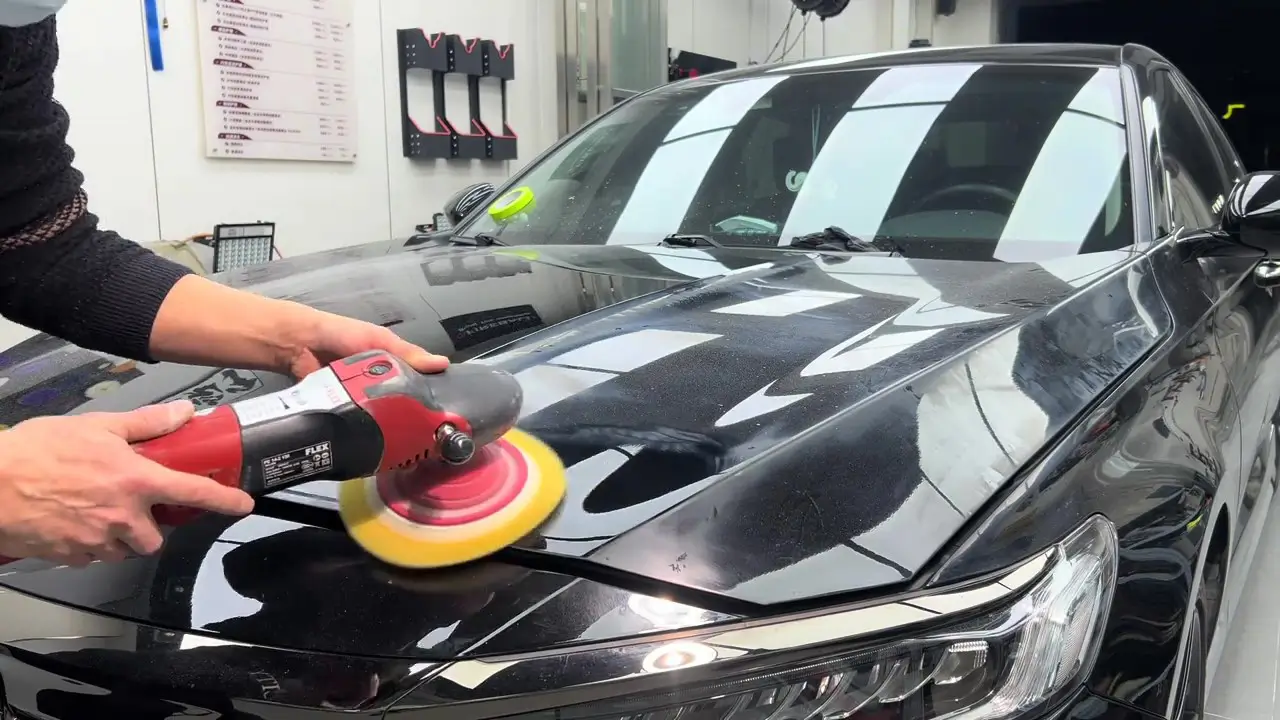
4. Refining polish. After the compound removes visible sanding marks, move to a fine polish with a soft finishing pad. This step improves gloss, removes micro-marring, and restores clarity.
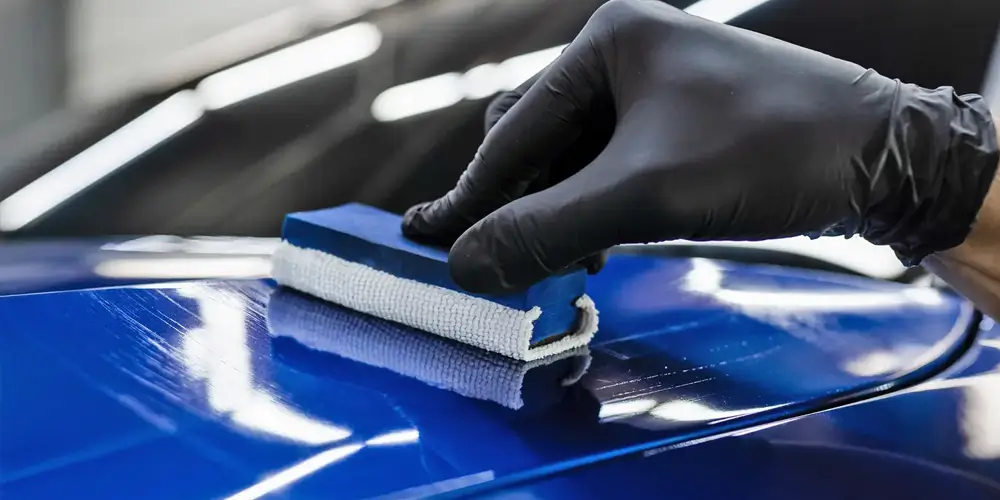
5. Final wipe and protection. Remove polishing oils with a dedicated cleanser or IPA wipe. Apply a paint sealant or wax to protect the finish and lock in gloss.
6. Quality control. Inspect the finish under multiple lighting angles. If holograms, swirls, or heat-related defects appear, correct them using a less aggressive polish or different pad selection.
Practical Tips and Best Practices
1. Pad selection matters. Denser foam or wool pads cut faster; softer finishing pads are for polishing. Match pad to product and aim to minimize passes.
2. Control heat. Excessive heat can damage clear coat. Use moderate speed, lift frequently, and do not dwell in one spot.
3. Progressive approach. Start with the least aggressive method that removes the defect. Over-compounding increases risk of clear coat thinning.
4. Keep work area clean. Contaminants will embed and scratch the surface. Use clean pads, towels, and tools.
5. Record keeping. Note grit progression, compound/polish used, pad types and machine settings for repeatability across vehicles or production runs.
Why Choose SYBON for Your Post-Sanding Polishing Needs
SYBON is a professional manufacturer of polishing compounds and a trusted supplier for automotive care products. Our production facility is equipped with modern lines and comprehensive testing systems to ensure consistent product performance. If you are deciding whether to use a compound or polish after wet sanding, SYBON offers a full range of formulas developed for each step of the paint correction process — from aggressive cutting compounds to ultra-fine finishing polishes.
Key advantages of SYBON products:
1. Performance comparable to major brand formulas. SYBON compounds are engineered to deliver comparable cut, clarity, and gloss while being more cost-effective.
2. Excellent value and wholesale options. If you are looking to buy polishing compound wholesale, SYBON provides competitive pricing and packaging options suited for dealerships, body shops, fleets, and distributors.
3. Comprehensive product range. We supply cutting compounds, refining polishes, pads, and supporting products such as cleaners and sealants — enabling a complete workflow under one supplier.
4. Quality control and after-sales service. SYBON adheres to strict production and inspection standards and offers attentive customer support to ensure you get the results you expect.
5. Global partnership opportunities. SYBON is actively recruiting global agents and distributors. We welcome serious partners — whether you run a paint shop, automotive repairs center, dealership, or distribution business.
Business Invitation and Contact
SYBON manufactures and distributes high-performance polishing compounds and automotive care products in China and serves customers worldwide. If you are an agent, distributor, or bodyshop owner interested in expanding your product offering and improving margins, we invite you to request samples for testing. Please contact us through our website and submit your inquiry; we will respond within 24 hours to discuss pricing, sample availability, and partnership terms.
Choosing whether a compound or polish after wet sanding is the right step requires inspection, testing, and an understanding of your finish goals. With SYBON’s portfolio, you can implement efficient, professional, and cost-effective paint correction workflows backed by reliable products and responsive support. For bulk purchases, product samples, or to explore distribution opportunities, contact SYBON via our website today — we are ready to support your business growth and product success.
Source of this article:https://www.sybonbest.com
Get to know us through more channels: