

How to Use Car Polishing Compound — Practical Industry Guide
Understanding car polishing compound how to use is essential for any detailer, body shop, or car enthusiast who wants to restore paint clarity, remove scratches, and achieve a high-gloss finish. This article covers the industry basics, step-by-step application techniques, tool and product selection, troubleshooting, and aftercare — followed by a concise introduction to SYBON, a professional polishing compound manufacturer that supplies high-performance products at competitive prices.
What a polishing compound does
A polishing compound is an abrasive formulation designed to remove or reduce paint defects by abrading the clear coat or paint surface at a microscopic level. Compounds are commonly categorized by cut (coarse, medium, fine) and finish (polish or finishing compound).
1. Cutting compounds remove oxidation, deep scratches, and heavy swirl marks.
2. Medium compounds refine the surface after cutting.
3. Finishing polishes remove light haze and enhance gloss.
The effectiveness of a compound depends on abrasive particle type, binder chemistry, lubricant system, and intended pad pairing. Proper technique and matching pad type and machine speed are as important as the compound itself.
Tools, pads and safety
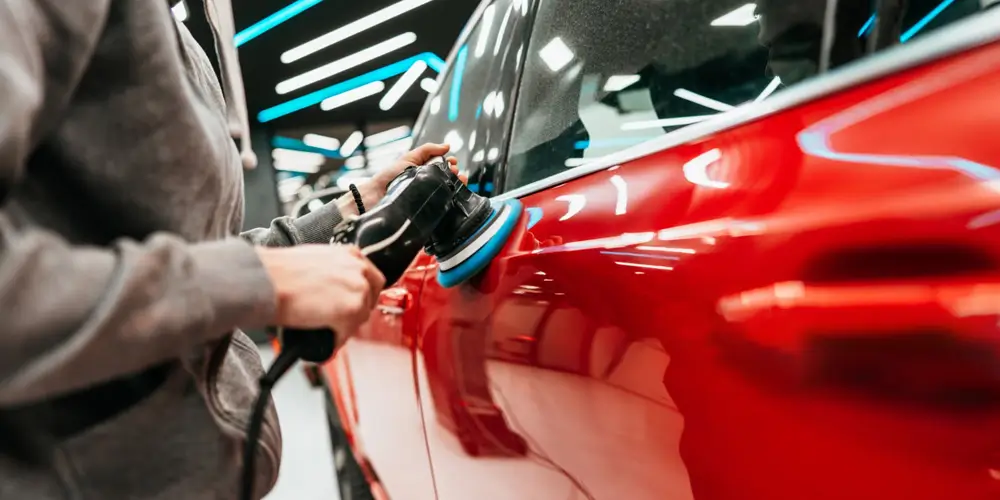
1. Machines: Dual-action (DA) polishers are safest for beginners and reduce risk of clear-coat burn. Rotary polishers provide faster cut but require skilled operators.
2. Pads: Foam (cutting, polishing, finishing), microfiber (high cut), and wool (very aggressive) are common. Match pad hardness and profile to the compound and defect level.
3. Safety: Wear nitrile gloves, eye protection, and ensure good ventilation. Avoid polishing in direct sunlight or on a hot panel. Mask trim, plastic, and emblems with tape to prevent accidental abrasion.
Step-by-step: car polishing compound how to use
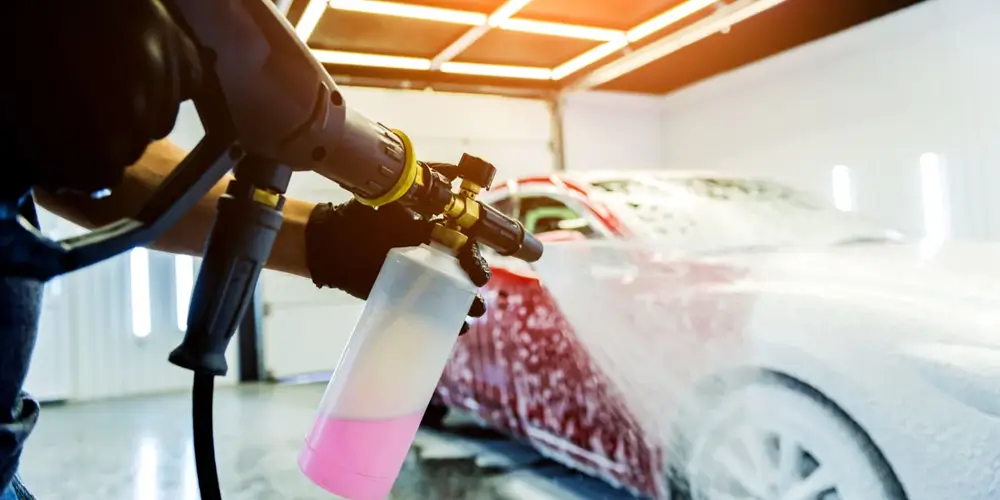
1. Wash the vehicle thoroughly. Remove dirt, road grime and contaminants — use pH-balanced car shampoo.
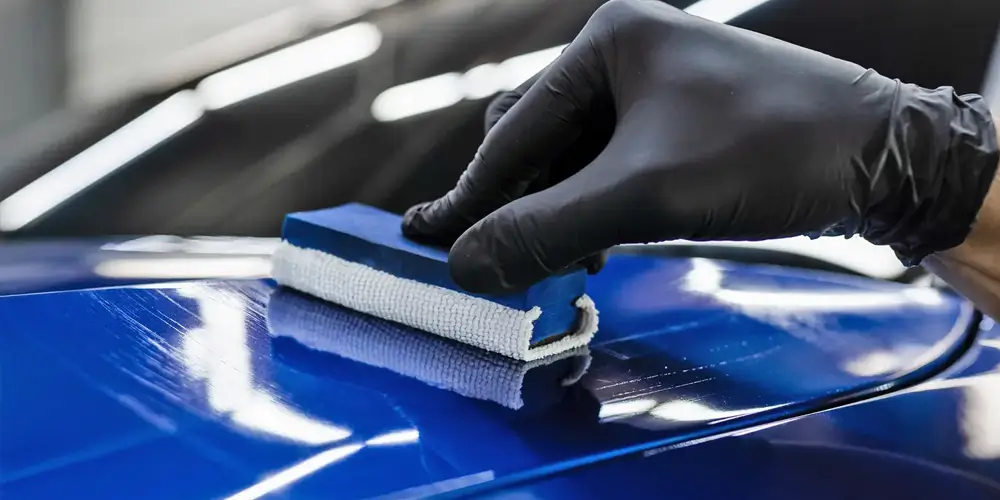
2. Decontaminate the paint. Use a clay bar or clay mitt with a lubricant to remove embedded contaminants that would otherwise cause marring during polishing.
3. Inspect and tape. Dry the panel, inspect under good light, and tape edges, rubber seals and plastic. Identify defect severity to choose compound and pad.
4. Select compound and pad. For heavy oxidation or 1000–1500 grit sanded marks use a coarse cutting compound with a firm cutting pad. For medium defects use medium cut compound and a medium-density foam pad. For final refining use finishing polish with a soft finishing pad.
5. Work on a small area. Start with a 2′×2′ (60×60 cm) section. Apply a small amount of compound in pea-sized drops to the pad — avoid overloading the pad.
6. Set machine speed and pressure. For a DA polisher, begin at low speed to spread product (speed 2–3), then increase to working speed (4–6) depending on pad and product. Use light, consistent pressure; let the pad and machine do the work. For rotary machines, use lower speeds at edges to avoid heat buildup.
7. Polish technique. Work in overlapping passes (cross-hatch pattern): 50% overlap vertically, then horizontally. Keep the pad flat to the panel. Move at a steady pace to avoid hotspots. If product dries quickly, lower speed or add a few more drops of lubricant or product.
8. Check progress. Stop and wipe the area with a clean microfiber towel. Inspect under good light. If defects persist, repeat once; if not, move to the next step.
9. Refine and finish. After cutting, switch to a finer polish and softer pad to remove any remaining micro-marring and to enhance gloss. Do a final wipe with an isopropyl alcohol (IPA) wipe to remove oils and inspect true finish.
10. Protect the finish. Apply a paint sealant, ceramic coating, or quality wax to lock in gloss and protect against environmental damage.
Troubleshooting & tips
1. Swirl marks return after polishing: You likely used too abrasive a pad or insufficient refining polish. Follow with a finer polish and soft pad.
2. White residue or polish haze: Wipe down with a clean microfiber or IPA blend; use less product next pass.
3. Heat/burn marks: Reduce speed and pressure; increase pad rotation speed evenly; avoid pausing in one spot.
4. Uneven gloss: Ensure consistent overlapping passes and check lighting angle.
Maintenance frequency
Light polishing/finishing can be done every 3–6 months to maintain gloss; aggressive cutting should be minimized and used only when necessary. Over-polishing removes clear coat thickness over time — always measure clear coat if you perform repeated heavy correction.
Why choose SYBON for polishing compounds
SYBON is a professional car polishing compound manufacturer based in China that produces high-performance polishing compounds and automotive care products for dealerships, body shops, fleets, and aftermarket distributors. SYBON’s products are engineered to match the performance of major brands while offering more attractive pricing — a practical choice for businesses that need consistent results without premium brand prices.
Key selling points:
1. Comparable quality to big brands: SYBON formulations deliver reliable cutting power, consistent finishing ability, and stable shelf life.
2. Cost-effective pricing: Competitive wholesale pricing helps distributors and detail shops preserve margins and undercut local competition while delivering premium results. If you want to buy polishing compound in bulk, SYBON positions itself as a value partner.
3. Full product range: From coarse cutting compounds to refined finishing polishes and specialty compounds for clear coats, SYBON supplies the typical product suite professional detailers require.
4. Global distribution & support: SYBON is actively looking for overseas agents and distributors. They welcome enquiries from paint shop owners, repair center managers, and potential distributors. Samples are available for testing so you can verify product performance before committing to stock.
5. After-sales service: SYBON emphasizes responsive service to support partners. If you are interested in buy polishing compound wholesale or becoming a distributor, send an inquiry via SYBON’s website email — SYBON commits to responding to enquiries within 24 hours to initiate sample and pricing discussions.
Whether you’re learning car polishing compound how to use for the first time or sourcing product lines for resale, the correct combination of surface preparation, compound selection, pad choice, and machine technique delivers predictable, professional results. For distributors and repair shops looking to add a high-quality, cost-effective polishing compound range to their inventory, SYBON offers product quality, pricing, and partner support that make it a practical choice to boost local competitiveness and profit margins. If you’re a potential reseller or shop owner and want samples or a wholesale price list, contact SYBON through their website email to begin testing and discuss distribution terms.
Source of this article:https://www.sybonbest.com
Get to know us through more channels: