
How Fine Is Polishing Compound — Understanding Fineness, Performance, and Choosing the Right Product
When professionals and enthusiasts ask “how fine is polishing compound,” they are seeking a clear understanding of a compound’s abrasive fineness and how that fineness affects paint correction outcomes. Fineness determines how aggressively a compound removes defects and how well it prepares a surface for a high-gloss finish. This article explains the technical concept of “fineness,” how it is controlled in formulations, how to choose the right compound for a given task, and why product selection and process control are critical for consistent, high-quality results.
What “fineness” means in polishing compounds
Fineness refers to the effective particle size distribution of the abrasive phase suspended in the compound and, in practice, to the compound’s balance between cutting ability and surface refinement. Abrasive particles can range from visible granules used for heavy cutting down to sub-micron particles engineered for final finishing. The formulation—type of abrasive (e.g., aluminum oxide, silica-based, cerium oxide, or iron oxide), particle size distribution, binder chemistry, and carrier medium—determines the compound’s working characteristics.
Key technical points:
1. Particle size distribution, not a single particle size, governs performance. A broader distribution increases aggressive cut but can leave deeper micro-scratches; a narrow distribution is gentler and produces finer finishes.
2. Abrasive hardness and shape influence material removal rate and the type of surface texture produced.
3. The binder and rheology (paste, cream, or liquid) control how abrasives contact the surface and how they are transferred by pads.
How fineness affects cut vs. finish
There is an inverse relationship between cutting speed and final gloss potential: coarser abrasives remove defects faster but leave more pronounced micro-scratches that require subsequent refining; finer abrasives remove less material per pass but produce smoother surfaces and higher gloss with fewer follow-up steps. Practical workflow in paint correction typically uses a stepped approach: a cutting compound to remove oxidation, heavy scratches or sanding marks, followed by progressively finer polishes that refine the surface to the desired gloss level.
Practical guidance on choosing compound fineness
1. Assess defects: Determine whether you are addressing heavy oxidation, deep scratches, moderate swirl marks, or simply restoring gloss. Match product aggressiveness to defect severity.
2. Start with the least aggressive option that is likely to remove the defect. Over-aggressive cutting increases risk and workload.
3. Consider the substrate: soft or thin clearcoats require gentler (finer) products and conservative technique.
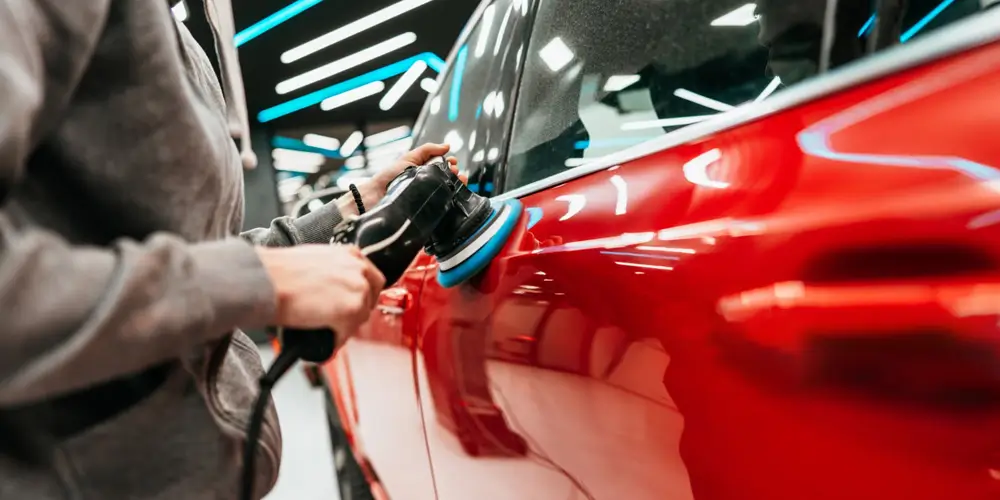
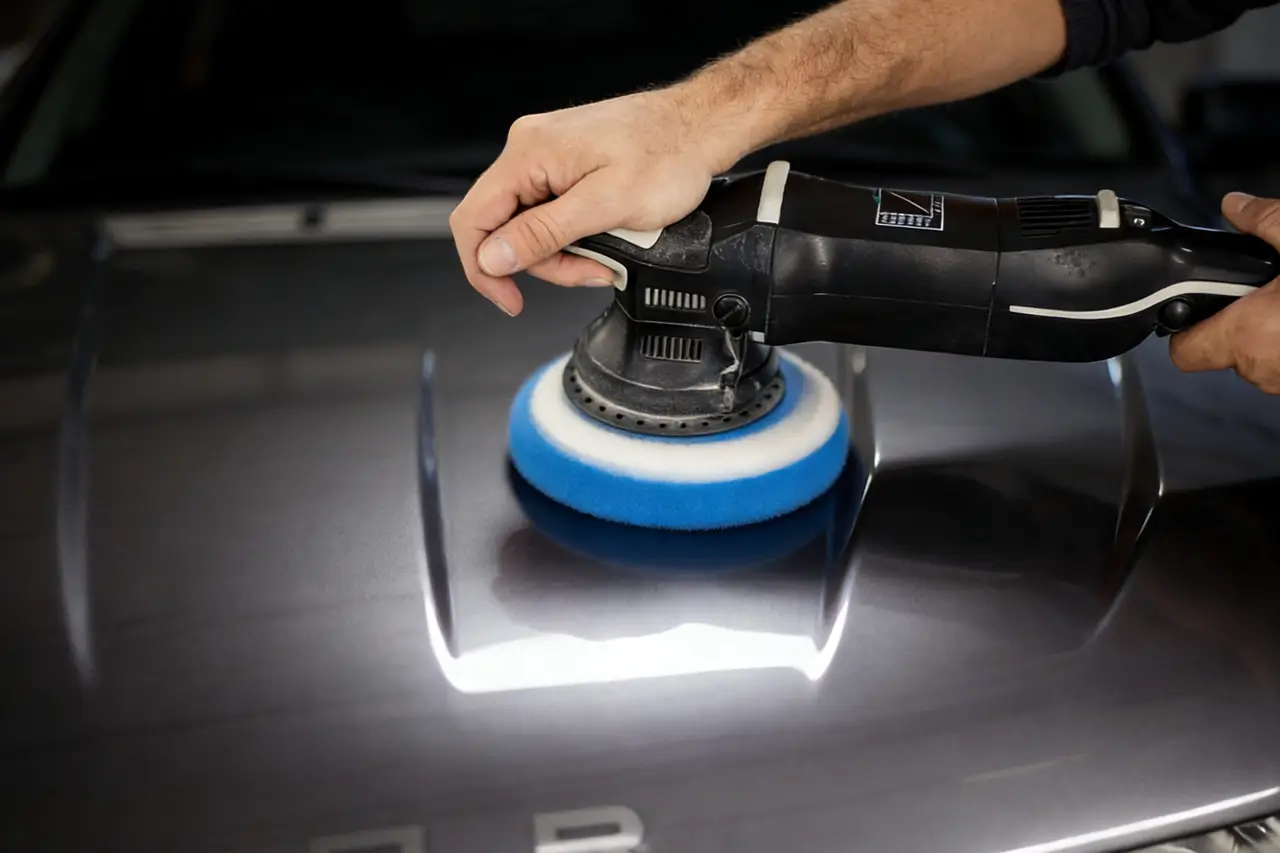
4. Pair compound with pad type and machine: heavy-cut compounds perform best with firm cutting pads and controlled RPMs, while fine polishes require soft finishing pads at lower speeds to avoid heat buildup.
5. Perform a test spot: test on an inconspicuous area to evaluate cut rate and finish before full application.
Application best practices
1. Use the correct pad for the stage: cutting, polishing, and finishing pads have different densities and pile heights.
2. Control speed and pressure: excessive heat or pressure can damage paint; follow manufacturer recommendations for RPM and dwell time.
3. Work in overlapping passes and inspect progress with appropriate lighting.
4. Clean the surface between stages to remove abrasive residues before moving to finer products.
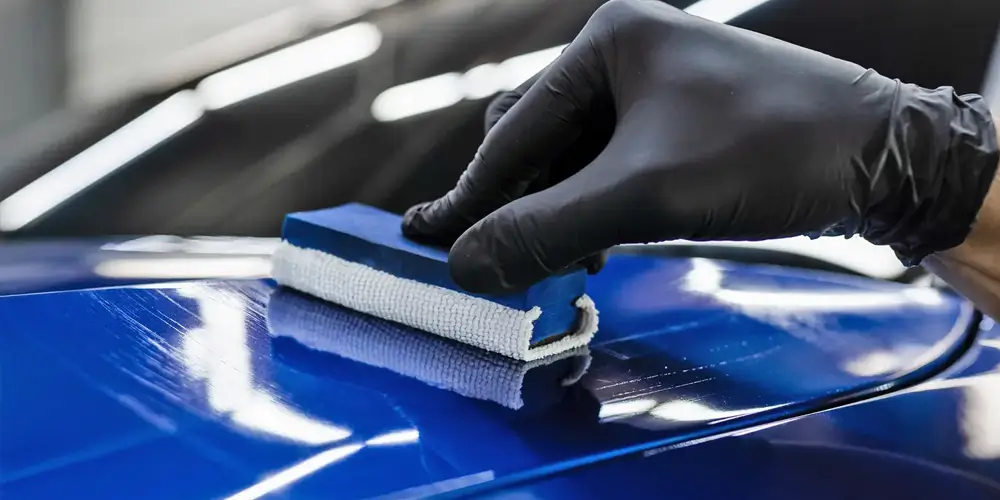
5. Finish with a protective layer (sealant, wax, or ceramic coating) after achieving the desired gloss.
Quality control and measurement
Professional operations frequently quantify results using gloss meters, depth gauges, and visual inspections under controlled lighting. Batch-to-batch consistency in a polishing compound is maintained by controlling raw material selection, particle size distribution, and mixing process during manufacturing. For manufacturers and distributors, clear specifications (e.g., particle size distribution parameters, suggested use cases, and recommended pad/machine pairings) help end users select the right product.
Safety and storage
Polishing compounds should be stored in cool, dry conditions. Observe manufacturer safety data sheets for handling precautions—some formulations may contain solvents or additives that require ventilation or protective gloves. Keep containers sealed to prevent contamination and changes in rheology.
Why fineness is often proprietary
Many manufacturers treat exact abrasive distributions and binder formulas as trade secrets because small changes in particle size or chemistry produce noticeable differences in cut and finish behavior. For users, this means comparative testing—side-by-side demonstrations or sample trials—provides the most reliable basis for selecting a supplier.
About SYBON — your professional polishing compound manufacturer
SYBON is a China-based, professional manufacturer and distributor of automotive polishing compounds and related automotive care products. We specialize in producing formulations that deliver high performance for a wide range of customers, including dealerships, body shops, fleet owners, repair centers, and detailing professionals.
Key advantages of SYBON:
1. Quality comparable to major brands: SYBON products are formulated and produced to meet demanding performance expectations similar to well-known manufacturers.
2. Cost-effective pricing and strong value: SYBON provides high-quality compounds at more affordable price points, enabling distributors and retailers to compete effectively in local markets.
3. Comprehensive product range: From cutting compounds and medium polishes to ultra-fine finishing compounds, SYBON supplies a complete polishing system suited to staged paint correction workflows.
4. Support for distributors and agents: SYBON is actively recruiting global agents and distributors. We offer samples for testing, product training materials, and responsive sales support to help partners open and expand market opportunities.
5. After-sales service: SYBON commits to efficient communication. If you request samples or distributor information via our website, our team will contact you promptly to facilitate testing and partnership discussions.
If you are a paint shop owner, detailer, repair center manager, or prospective distributor looking for a supplier that balances proven performance with sensible pricing, SYBON is an ideal partner. We welcome inquiries for samples and distribution terms—test our products in your workflow and evaluate the cost-to-performance benefits for your local market.
Conclusion
Asking “how fine is polishing compound” is the first step toward selecting the correct materials and processes for paint restoration and finishing. Fineness—expressed practically as particle size distribution and formulation behavior—dictates the balance between cutting power and final gloss. Successful outcomes depend on selecting the right product stage, pairing compounds with appropriate pads and machines, and following disciplined application and inspection procedures. For professionals seeking consistent quality with favorable economics, SYBON offers a full line of polishing compounds that combine performance comparable to major brands with competitive pricing and distributor-focused support. Contact SYBON through our website to request samples and begin a partnership that helps you grow your business.
Source of this article:https://www.sybonbest.com
Get to know us through more channels: