
How to Apply Polish Compound — A Practical, Professional Guide
Applying a polish compound correctly is essential to restore gloss, remove light scratches and oxidation, and prepare painted surfaces for long-lasting protection. Whether you are a detailer, bodyshop technician, fleet maintenance manager, or an independent repair shop owner, mastering the technique of how to apply polish compound will improve finish quality, reduce rework, and increase customer satisfaction. This guide covers the industry-standard steps, best practices, and troubleshooting tips for both machine and hand application.
Surface preparation
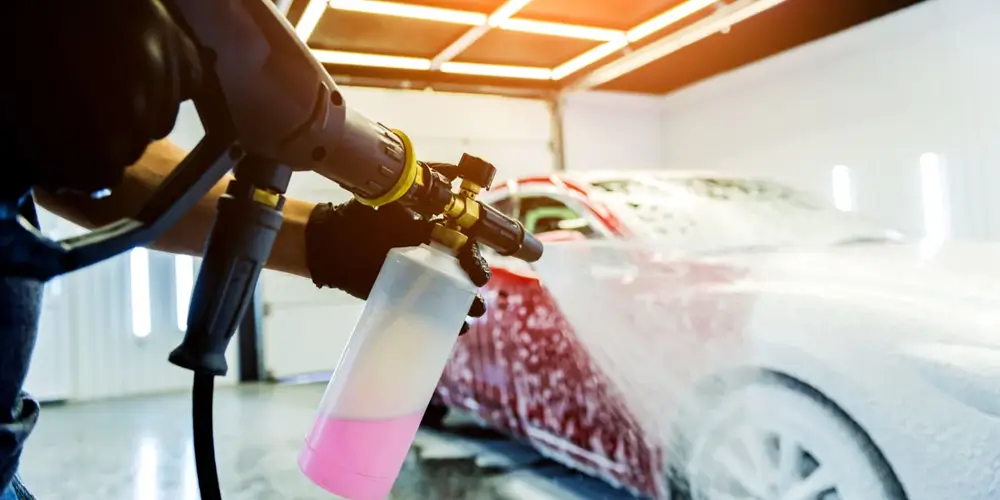
1. Clean thoroughly. Start with a full wash using a pH-balanced car shampoo to remove loose dirt, road film, and brake dust. Contaminants left on the surface will abrade the paint as you polish.
2. Decontaminate. Use clay bar or iron-removal products where necessary to remove embedded particles. A smooth substrate is critical for an even polish and to avoid introducing swirl marks.
3. Inspect the paint. Work under good lighting to identify defects: swirl marks, fine scratches, water spots, etching, and oxidation. Determine whether they require a heavy cutting compound, a medium-polish, or finishing polish.
4. Mask vulnerable areas. Use automotive masking tape to protect trim, molding, edges, and badges from accidental pad contact.
Choose the right polish compound and pad
• Abrasive grade: Polish compounds range from heavy-cut compounds for deep scratches to fine polishes for gloss enhancement. Match the compound’s cut level to the defect severity.
• Pad selection: Foam and microfiber pads are the most common. Firm, open-cell foam or microfiber cutting pads suit heavy correction; softer, dense foam finishing pads are ideal for final polishing. Always use a pad that is clean and correctly attached to the backing plate.
• Compound compatibility: Ensure the polish compound is formulated for automotive paint and compatible with the machine (rotary vs dual-action) you will use.
Machine vs hand application
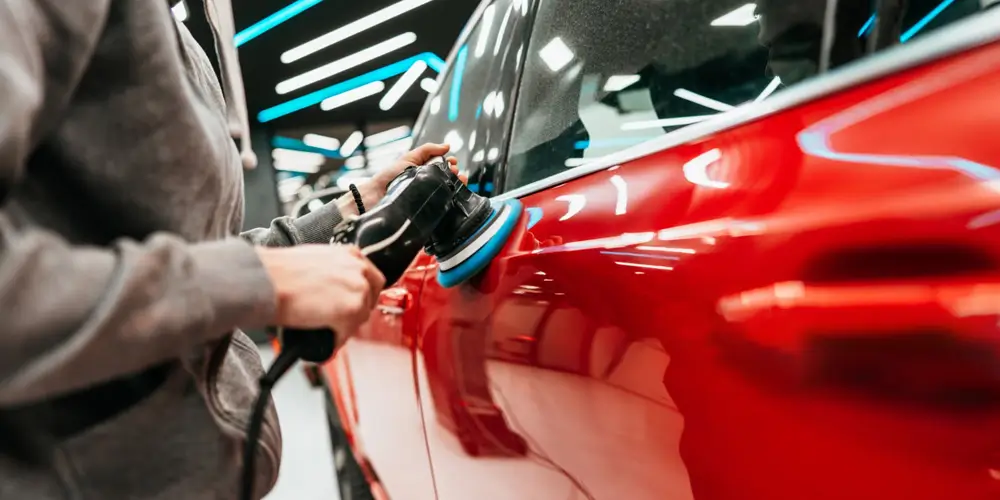
• Machine polishing (dual-action or rotary) is the industry standard for consistent results and efficiency. Dual-action polishers are safer for less experienced operators because they reduce heat buildup and the risk of clearcoat burn. Rotary machines remove defects faster but require more skill and careful control of speed and pressure.
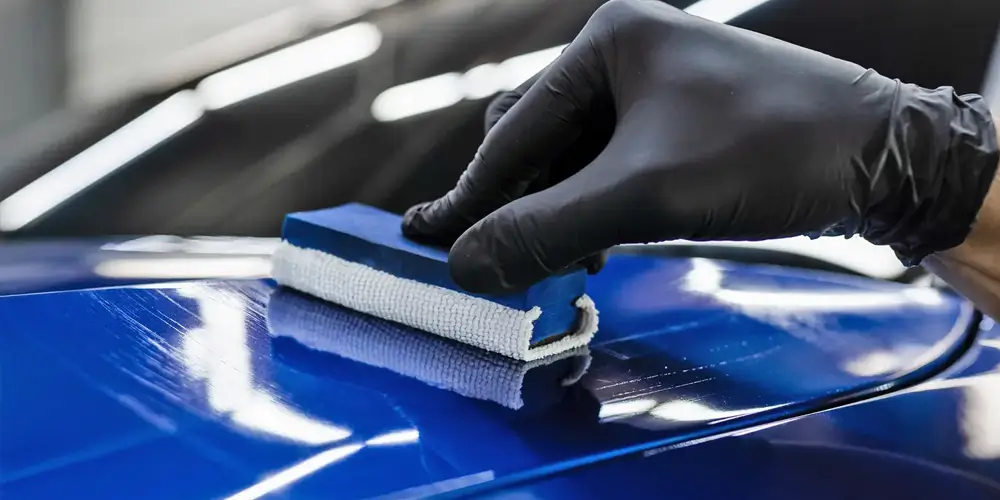
• Hand polishing is suitable for small areas, thin edges, and delicate panels. Use a soft applicator and work in small sections with repeated, light passes.
How to apply polish compound — step-by-step (machine)
1. Work in small sections (approximately 2 ft x 2 ft). This keeps the surface manageable and allows you to fully remove residue before it dries.
2. Apply a small amount of compound. Put 1–3 pea-sized drops of polish compound on the pad for each section. More product does not necessarily speed correction and may create wasteful sling.
3. Spread the compound at low speed. Before turning the machine to full speed, spread the compound at a low setting to create an even thin film across the panel.
4. Increase speed and apply light-to-moderate pressure. Use overlapping passes in a systematic pattern (cross-hatch or straight-line), maintaining consistent pressure. Avoid staying in one spot to prevent heat buildup.
5. Monitor finish and temperature. Periodically stop and wipe the area with a clean microfiber to evaluate correction. If the paint becomes hot to the touch, pause to allow cooling.
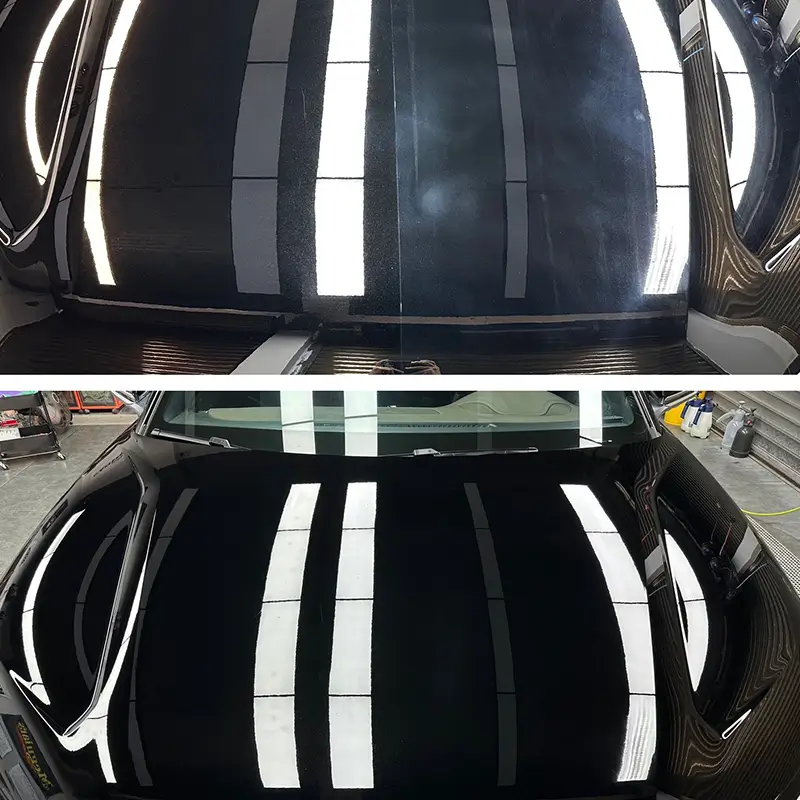
6. Remove residue thoroughly. After correction, use a clean microfiber towel to remove all polish residue. Inspect under direct light.
7. Step down to finishing polish. For final gloss, follow with a fine polish and a softer pad to refine the surface and eliminate micro-marring.
8. Protect the finish. Apply a sealant, ceramic coating, or wax to lock in the result and protect the newly polished surface.
How to apply polish compound — hand technique
1. Apply a small amount of polish to a foam applicator.
2. Work in circular motions with moderate pressure, covering small sections at a time.
3. Buff off residue immediately with a plush microfiber towel and inspect.
4. Finish with a fine polish and protective top-coat.
Safety and quality control
• Use proper PPE: nitrile gloves and eye protection when working with compounds and solvents.
• Ensure adequate ventilation and avoid inhaling dust or fumes.
• Keep pads and towels clean; contaminated tools cause swirl marks.
• Document settings, pad types, and compounds used for repeatability across your shop.
Common mistakes and troubleshooting
• Using too much compound — leads to excess sling and waste.
• Incorrect pad pairing — causes insufficient cut or excessive marring.
• Excessive speed and pressure — risks clearcoat damage.
• Inadequate cleanup — leaves haze and lowers gloss.
About SYBON — Quality Polishing Compounds and Trusted Partnership
SYBON is a professional manufacturer and distributor specializing in automotive polishing compounds and a full range of automotive care products. For businesses seeking to buy polishing compound in bulk, SYBON offers high-performance formulations comparable in quality to leading international brands, while providing superior cost-effectiveness. Our product line includes cutting compounds, medium polishes, finishing polishes, and complementary accessories designed for professional detailers, bodyshops, dealerships, fleet owners, and independent repair centers.
Why choose SYBON?
• Comparable quality to major brands: SYBON’s polishing compounds deliver consistent correction and gloss performance that rivals big-name products.
• Competitive pricing and value: Our cost structure allows dealers and distributors to attain higher margins while offering customers premium results.
• Full-service support: SYBON provides technical guidance, product samples for evaluation, and responsive after-sales service designed to help partners succeed in local markets.
• Global partnership opportunities: SYBON is actively recruiting agents and distributors worldwide. We believe in win-win collaboration: supply high-quality products, support market development, and help you grow revenue.
Become a SYBON distributor
If you are a paint shop owner, auto repair center manager, dealer, or distributor interested in expanding your care-product lineup, SYBON invites you to request samples and test our products. We will evaluate your needs, provide technical recommendations, and help you choose the right product mix to win local market share. Visit our website to send an inquiry or submit a request for samples — our team will contact you within 24 hours to discuss partnership opportunities and wholesale terms.
Conclusion
Knowing how to apply polish compound properly is a fundamental skill for producing professional finishes that satisfy customers and reduce rework. With the right surface prep, product selection, technique, and protection, you can achieve showroom-quality results. For businesses that require reliable supply and competitive pricing, SYBON offers an attractive alternative to big brands—combining high-quality polishing compounds, practical support, and a commitment to partner success. Contact SYBON through our website to request samples, pricing, or distribution opportunities and let us help you elevate your automotive care business.
Source of this article:https://www.sybonbest.com
Get to know us through more channels: