
Polish Compound Before and After — What Professionals Need to Know
Understanding the polish compound before and after effect is essential for anyone who sells, uses, or specifies automotive surface-care products. Whether you are an auto dealer, a paint shop owner, a fleet manager, a detailer, or a distributor, knowing how to evaluate and present compound performance will help you win customer trust and make better purchasing decisions.
Industry knowledge: what “polish compound before and after” really shows
The term polish compound before and after refers both to the visual and measurable transformation achieved when a polishing compound is applied to a painted surface and to the documentation and presentation of those results. In practice, this includes:
1. Assessing the starting condition (the “before”)
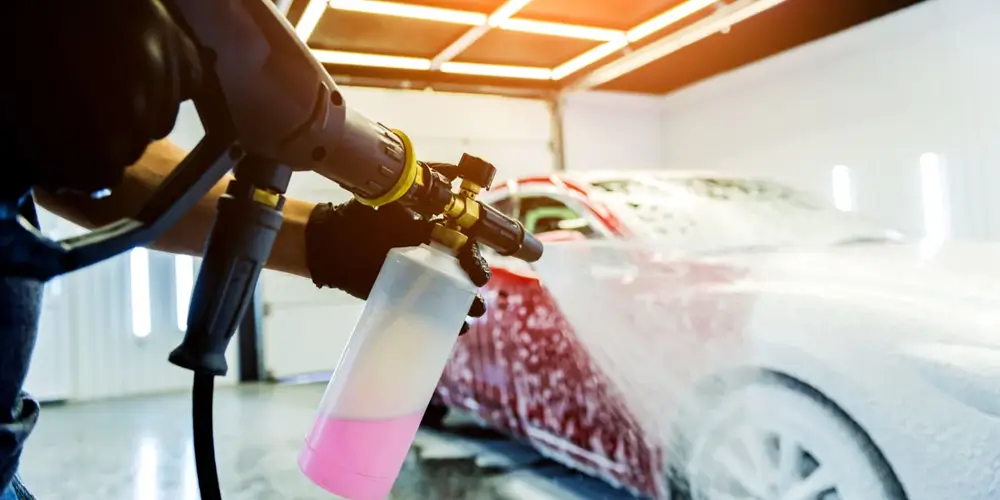
A proper before assessment documents the type of paint (single-stage vs. basecoat/clearcoat), the level of surface damage (light swirls, holograms, oxidation, heavy scratches), and environmental contamination (tar, tree sap, industrial fallout). Photographic documentation should be taken in consistent lighting (preferably diffuse daylight or a controlled light box) and at consistent angles.
2. Choosing the correct abrasive cut and polishing system
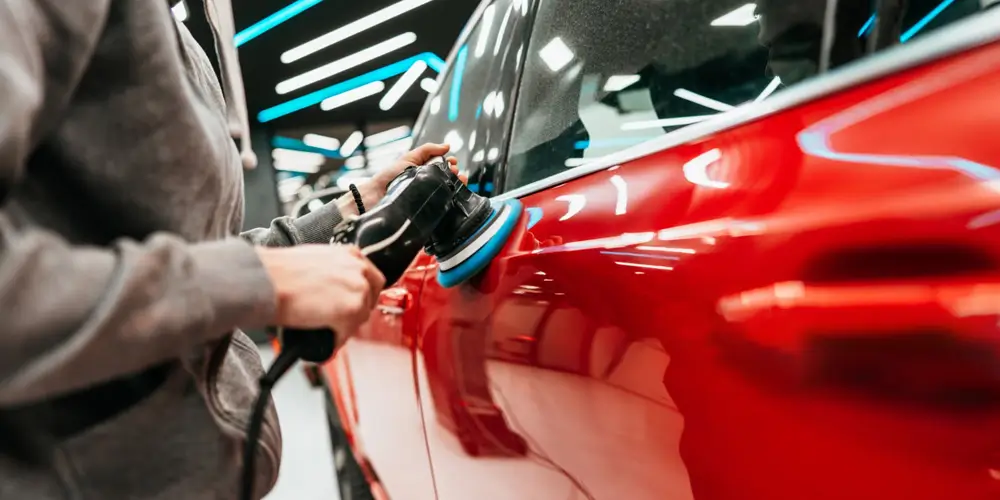
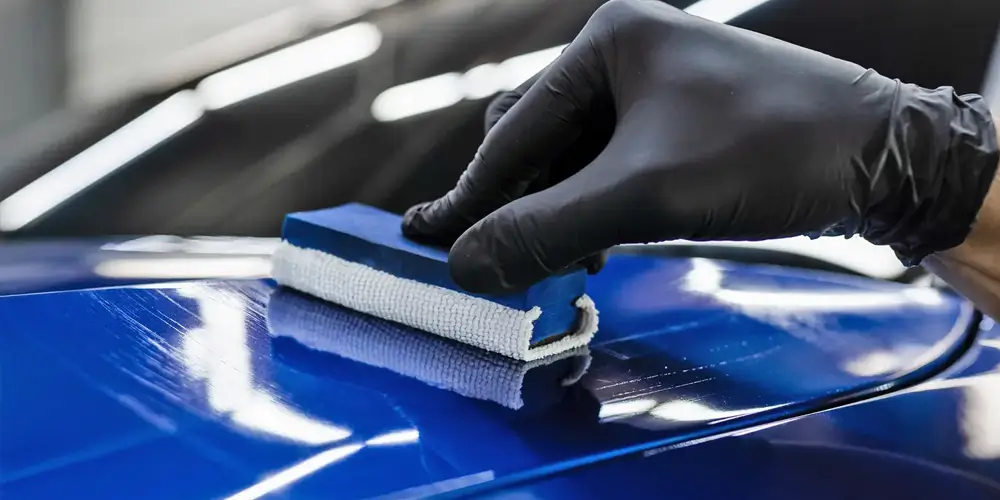
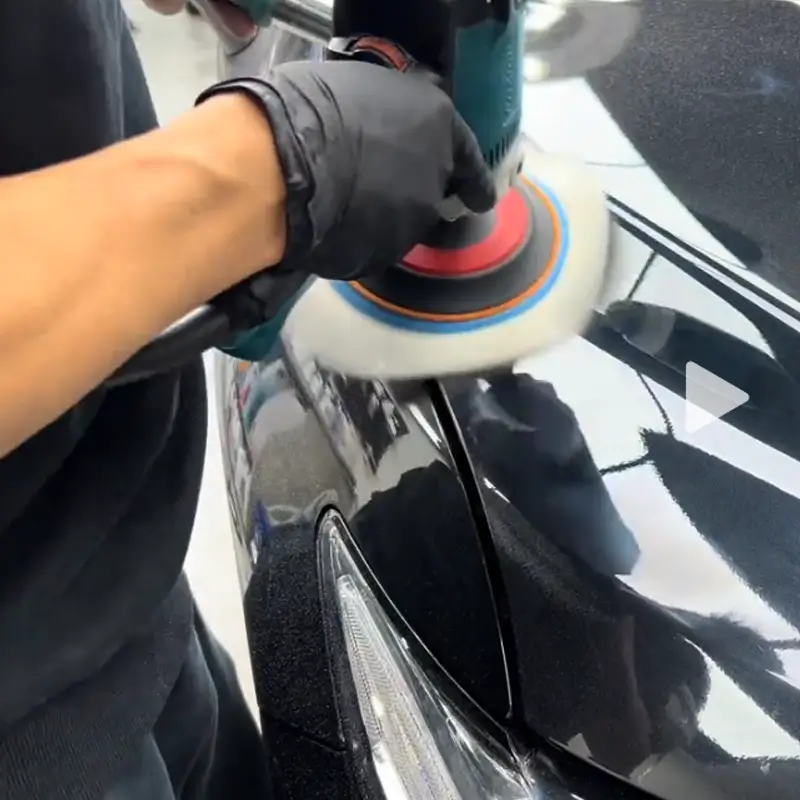
Polishing compounds exist along a spectrum from heavy-cut (fast abrasive removal) to ultra-fine finishing polishes. The goal is to remove or reduce defects while preserving clear coat thickness. Professionals commonly use a multi-step approach: cut (compound) → refine (polish) → protect (sealant/wax). Pad type (wool, foam of varying densities), machine type (rotary vs. dual-action), speed, and pressure all influence the final before/after outcome.
3. Execution and technique
Proper technique ensures predictable before/after results. Overheating the paint can cause burn marks or accelerate clearcoat thinning; under-working a cutting compound will leave visible haze and incomplete correction. Test patches are standard—perform a small, representative correction before committing to a full panel.
4. Verifying results
After polishing, verification goes beyond visual inspection. High-quality before/after documentation uses consistent photography and can also include gloss meter readings, paint thickness measurements, and customer-facing comparisons. A convincing before/after demonstrates defect removal, improved gloss and clarity, and minimal peripheral damage.
5. Common pitfalls to avoid
- Skipping a test spot and committing to a wrong abrasive level.
- Using overly aggressive compounds on thin or aged clearcoats.
- Failing to remove compound residues before sealing, which reduces protection longevity.
- Poor photography that misrepresents the result (different lighting, angles, or camera settings).
How to present “before and after” professionally
To maximize the credibility of your polish compound before and after presentations:
- Use the same camera, lens, settings, and lighting for both shots.
- Capture at least two angles (direct and side-glancing) to show depth and clarity.
- Include a small ruler or reference to show scale when demonstrating scratch removal.
- Label images clearly (e.g., “Panel A — Before: light swirl marks. After: defect removed, gloss restored.”)
- If possible, provide measurable data (gloss units, ΔE color change, or paint thickness) to support visual claims.
SYBON: professional polishing compounds with big-brand performance — at better value
SYBON is a China-based professional manufacturer and distributor of automotive polishing compounds and related car-care products. We design and produce a full range of compounds engineered for real workshop conditions: heavy-cut compounds for aggressive defect removal, medium-cut polishes for refining, and ultra-fine finishing products for mirror-like gloss.
Why choose SYBON?
- Comparable performance to leading brands. Our formulations deliver the same corrective capabilities and finish quality that professional detailers expect from top-tier manufacturers.
- Cost-effective pricing and strong margins. SYBON’s pricing strategy gives distributors and dealers a competitive product that improves their local market positioning without forcing customers to pay premium brand prices.
- Support for trade customers. We supply sample packs for testing, product guidance for correct pad and machine selection, and marketing assets to help you present compelling before/after results to end customers.
- Wholesale and distribution readiness. SYBON supports bulk orders and long-term partnerships. If you are a distributor, detail shop owner, or paint shop, our product range and pricing are designed to help you scale and compete.
- After-sales service and responsiveness. We invite potential partners to request samples for evaluation. Contact us through our website and we will respond within 24 hours to arrange samples, pricing, and logistics.
If your customers ask for convincing polish compound before and after evidence, SYBON can provide product samples, technical data sheets, and before/after photo guidelines so your sales team can demonstrate reliable, measurable results. Our compounds help you deliver high customer satisfaction while protecting your margins.
Call to action
If you want to buy polishing compound wholesale or evaluate samples, SYBON welcomes inquiries from agents, distributors, detail shops, and repair centers worldwide. Request samples through our website contact form and a SYBON representative will contact you within 24 hours to arrange testing and discuss wholesale pricing. Choose SYBON for high quality, real performance, and a price point that helps you grow your business.
Source of this article:https://www.sybonbest.com
Get to know us through more channels: