
Polish or Compound Not Working — Why it Happens and How to Fix It
Polishing failures are a frequent frustration for both hobbyists and professionals: you apply a polish or compound, work a panel, and the defect remains or the finish looks worse. Understanding why a polish or compound is not working requires diagnosing four things: the product, the pad, the machine & technique, and the surface condition. Below I explain the most common root causes and give practical troubleshooting steps that restore performance and prevent wasted time and material.
Why a compound may not be cutting or a polish may not be delivering results
1. Product choice: abrasive size and formulation
Not all “compounds” and “polishes” are interchangeable. Heavy defects (deep scratches, oxidation, orange peel) require a more aggressive compound (coarser abrasive) to physically abrade and level the defect before switching to finer polishes for gloss. Conversely, using a heavy-cut compound on sensitive or soft clearcoats can harm the finish or create new marring. Always match abrasive aggressiveness to the defect depth and follow up with a finer polish to restore gloss.
2. Pad selection and pad condition
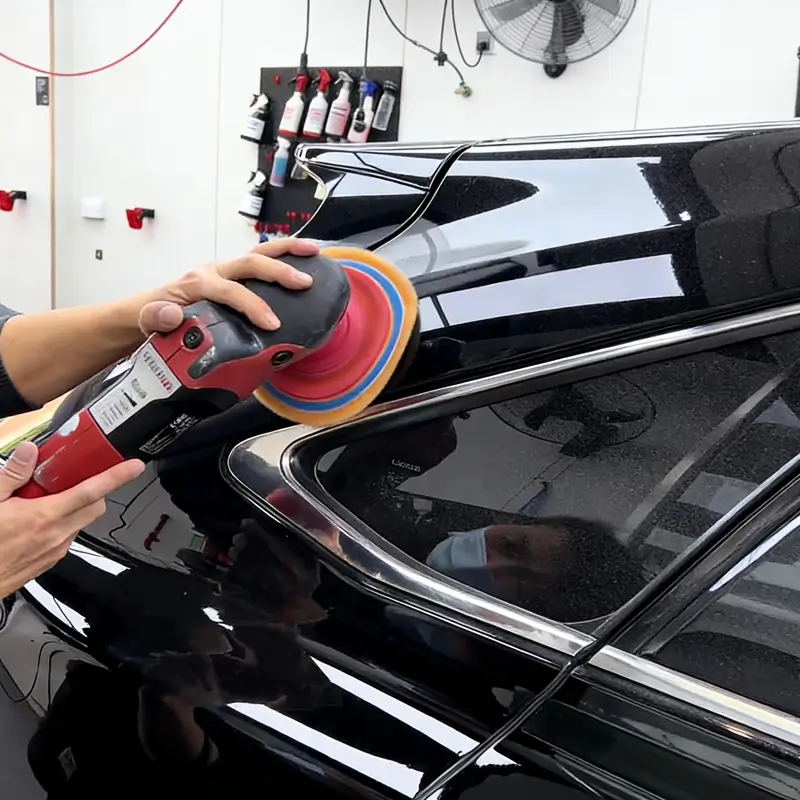
The pad is the delivery system for the abrasive. Using too soft a pad with an aggressive compound reduces cutting; using a very dense or worn pad may produce too much heat or inconsistent contact. Contaminated or overloaded pads (loaded with wax, old product residue or trapped grit) will smear rather than abrade. Clean, rotate and replace pads regularly, and choose foam/woody/heavy-cut pads appropriate for the compound you’re using. If a pad isn’t flat on the panel (edge lift), cutting will be inconsistent.
3. Machine speed, pressure and technique
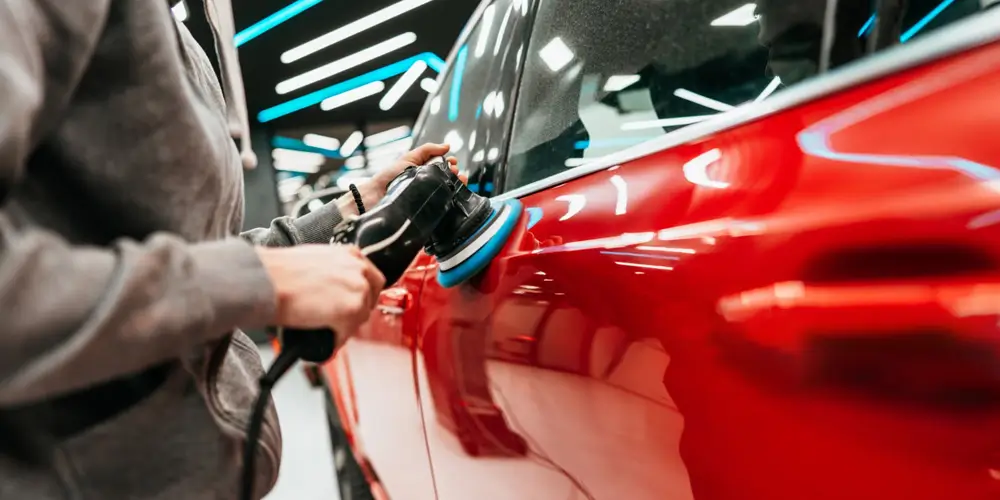
Polishing machines (dual-action, rotary, forced-rotation) have recommended speed ranges for each pad and product. Too low a speed, too light pressure, or too-fast passes with insufficient overlap can leave defects untouched; too much stationary pressure or excessive heat will cause product to flash, burn, or glaze and produce haze or holograms. Practice controlled overlapping passes, test on a small section, and adjust speed/pressure for the combination of compound, pad, and paint hardness.
4. Surface contamination and prior coatings
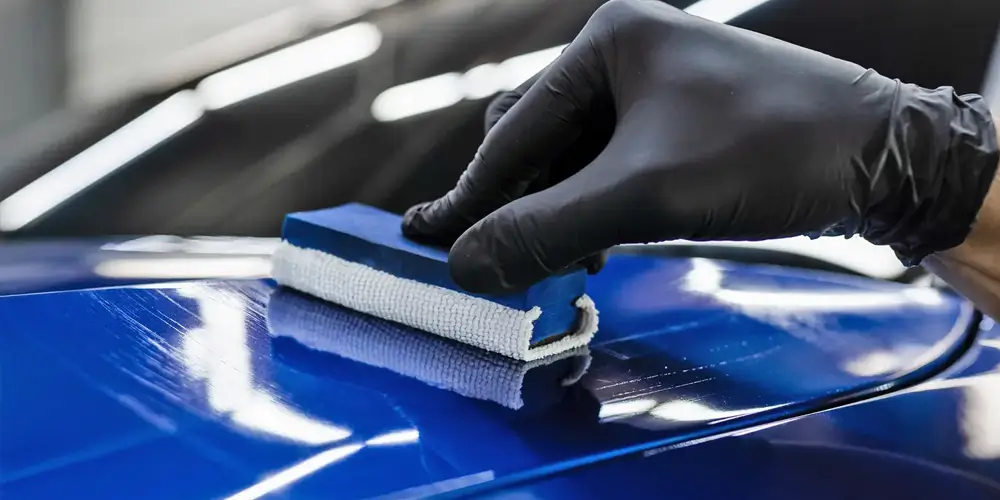
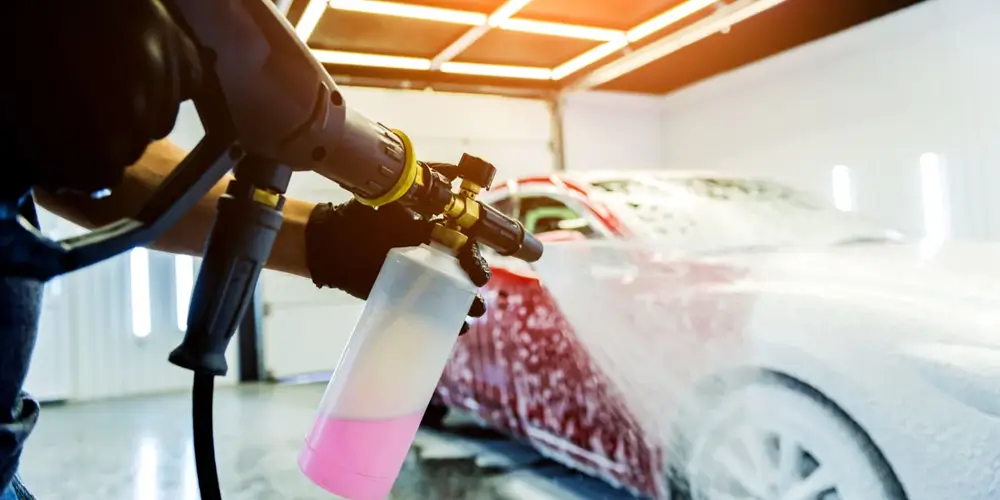
If the paint has waxes, sealants, silicones, or heavy contamination, abrasives can be lubricated or masked and won’t abrade properly. Even detail sprays or water (when not recommended) can temporarily over-lubricate the pad and impede cutting. A proper wash, clay decontamination, and an IPA (isopropyl alcohol) wipe-down to remove oils and fillers is essential before polishing. Manufacturers recommend spreading compound first and ensuring the product is distributed evenly across the pad and panel before turning the machine on.
5. Overheating, dried product or filler-containing polishes
Excessive heat from speed/pressure can cause polish to “flash” or polymerize on the surface, giving the appearance of removal while actually masking defects and making correction harder. Older or partially dried-down compounds lose performance. Some consumer polishes contain fillers that temporarily hide defects; this can be mistaken for successful correction when it’s only masking. If you suspect a filler, an IPA wipe that removes residue will reveal the true condition.
Practical troubleshooting checklist (step-by-step)
1. Test a small panel: try the suspected product/pad/speed combination on a hidden 2’×2’ area. That single test will tell you if the product/pad combo is appropriate.
2. Inspect and prepare the surface: wash, clay, and use an IPA wipe to remove oils, silicones, or waxes that could be impeding cutting. ([Autogeek][3])
3. Swap pads and products: if no effect, move to a more aggressive compound or firmer pad, still testing small areas before full-panel work. Keep a clear plan to step down to finer polishes afterward.
4. Adjust machine parameters: increase overlap, slow your speed slightly, and apply consistent, controlled pressure. Avoid dwelling in one spot and monitor panel temperature to prevent overheating.
5. Clean or replace pads and product: if a pad is clogged or a compound is old, replace them. Confirm you’re not working over a sealing product that will mask results.
When to call a professional or consider refinish
If defects are deeper than the clearcoat thickness allows (e.g., very deep scratches or gouges down to primer or base), mechanical polishing won’t succeed and panel sanding or repainting may be required. A professional detailer or bodyshop can advise whether paint correction will safely remove the defect without compromising the clearcoat.
About SYBON — quality polishing compounds, competitive pricing, global distribution
SYBON is a professional Chinese manufacturer and distributor of automotive polishing compounds and related car-care products. We specialize in high-performance compounds formulated for real-world paint-correction workflows: heavy-cut compounds for oxidation and deep swirling, medium-cut compounds for typical correction, and fine polishes for finishing and gloss. SYBON’s products are engineered to deliver performance comparable to major international brands while offering significantly better value for money.
Why choose SYBON?
• Comparable quality to major brands — We follow rigorous formulation and quality-control practices to ensure consistent abrasive performance and stable shelf life.
• Cost-effective pricing — SYBON offers margins that help distributors and resellers compete on price while maintaining quality.
• Wholesale support and low MOQ options — We support bulk orders and flexible minimums to accommodate small distributors and large buyers alike.
• After-sales service and technical support — SYBON provides product guidance, polishing roadmaps (compound → polish → pad selection), and troubleshooting tips to help customers achieve repeatable results.
• Global agent and distributor program — SYBON is actively seeking international agents and distributors. We welcome partnerships with paint shops, detailing centers, fleet owners, and auto care retailers.
Samples and partnership invitation
If you are a dealer, shop owner, or potential distributor interested in testing SYBON compounds, request samples through our website and email us. We will process sample requests and follow up — our team aims to contact prospective partners within 24 hours to discuss pricing, samples, and collaboration details. Buy polishing compound wholesale from SYBON to open local markets with a competitive, high-value product line that helps you grow revenue and retain customers.
Conclusion
When a polish or compound appears not to be working, the solution is almost always methodical diagnosis: confirm the product’s aggressiveness, check pad condition, adjust machine technique, and ensure the surface is properly prepared. For reliable, cost-effective polishing compounds and dedicated distributor support, SYBON offers products engineered for performance and priced for healthy margins. Contact SYBON for samples, wholesale pricing, and distributor opportunities — we are ready to support your business with quality compounds and professional service.
Source of this article:https://www.sybonbest.com
Get to know us through more channels: